STYLE GUIDE / DOMINICAN
Dominican bachata
Footwork-driven, groove-heavy, musically playful — bachata at its roots.
Where it comes from
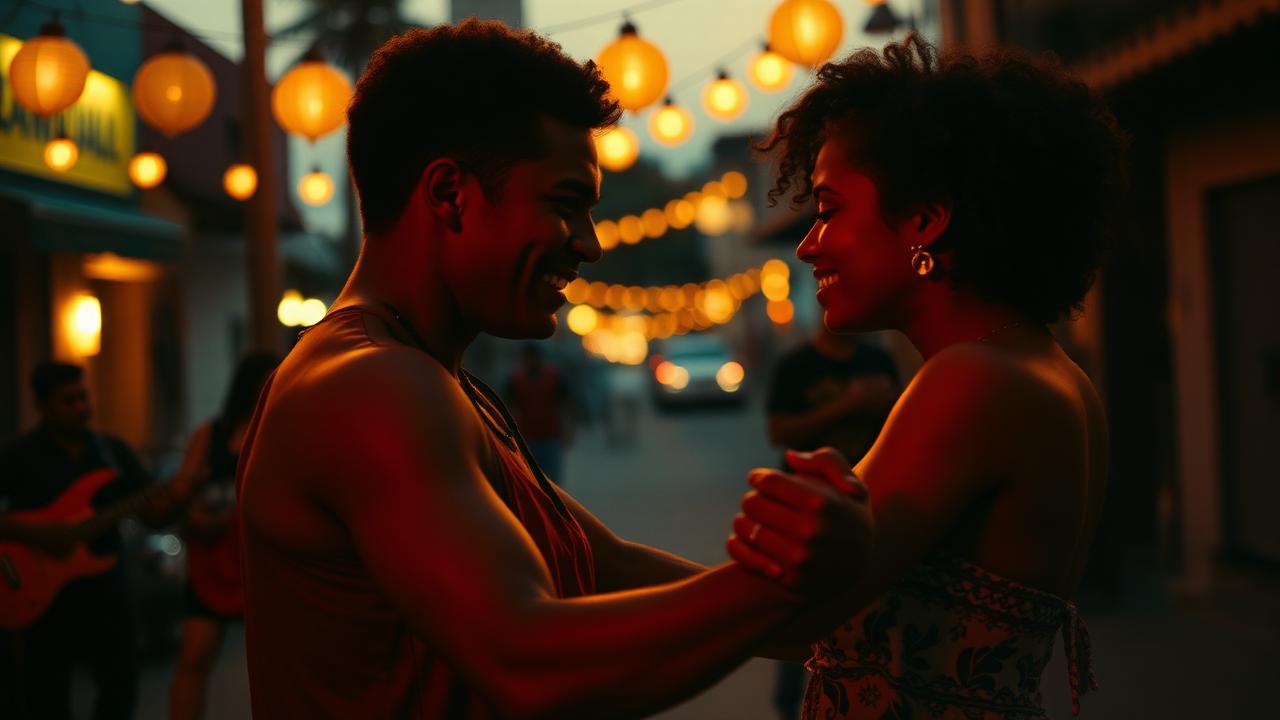
Bachata was born in the rural Dominican Republic in the 1960s, played in the back rooms of country bars long before it reached the radio. For decades it was dismissed by Dominican high society as music for the poor. By the 1990s, artists like Juan Luis Guerra had pushed it into the mainstream, and the dance traveled with the music.
What we now call "Dominican bachata" is the social form danced in the DR: tight footwork, close partner frame, and a deep relationship with the syncopated guitar lines of authentic bachata music.
What it feels like to dance
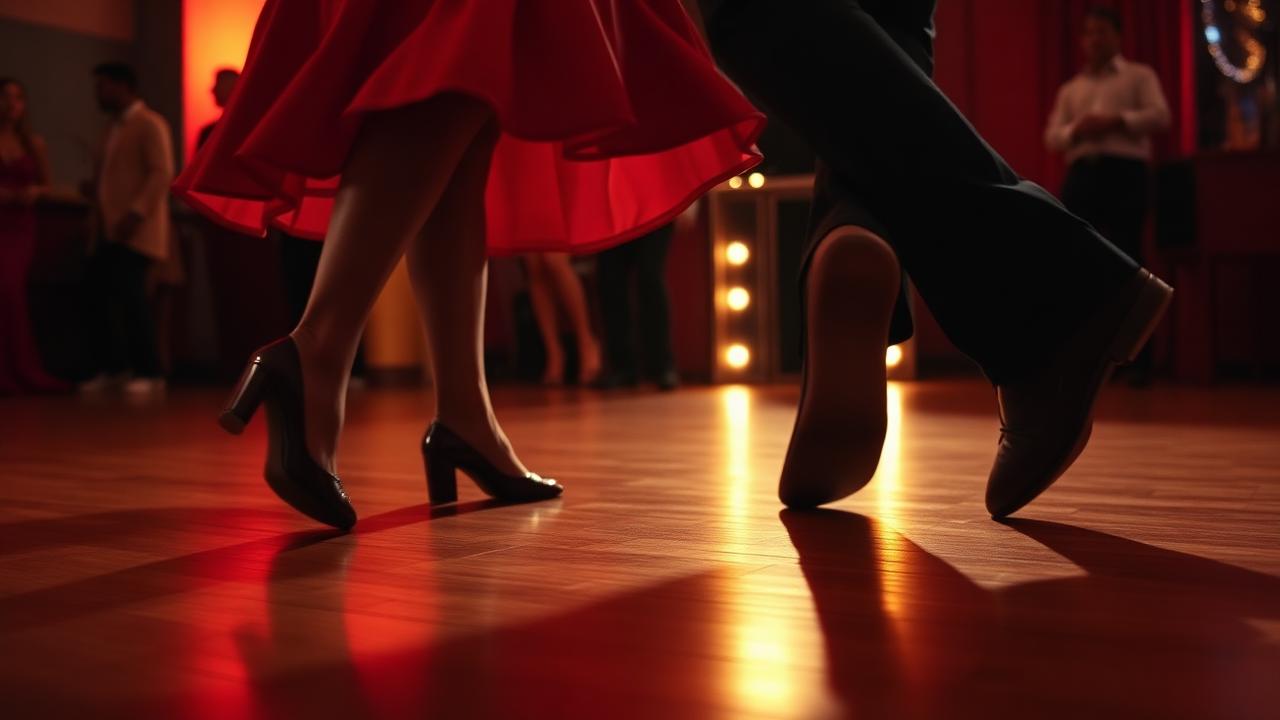
Dominican bachata is grounded, bouncy, and rhythmic. The basic step stays side-to-side, but the magic happens in the footwork: taps, syncopations, double steps, and quick weight shifts that decorate the music. The frame stays close, the lead is direct, and the partnership feels like a shared conversation with the song.
Don't expect the long sweeping body waves of sensual bachata or the choreographed turn patterns of moderna. Dominican is about groove. When it clicks, you stop thinking about steps and start playing with the music.
The music
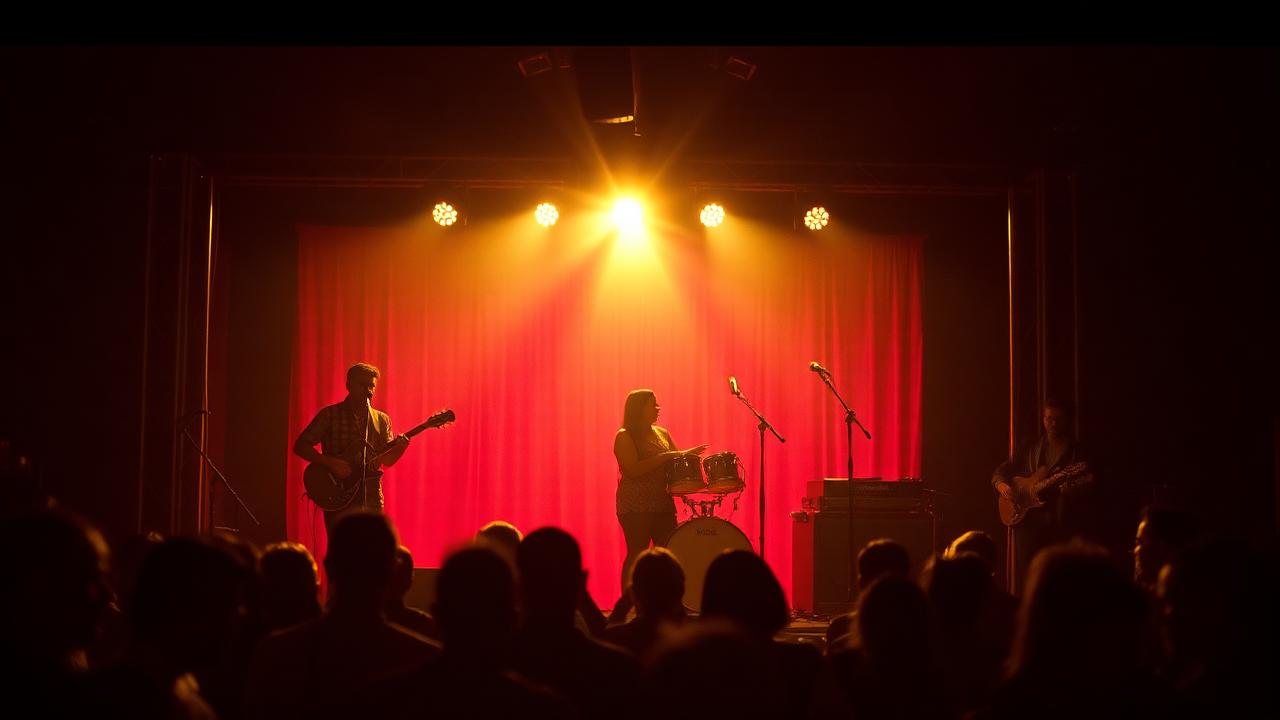
Traditional bachata is a guitar music: lead requinto guitar, rhythm guitar, bass, bongos, and güira. The instrumentation gives Dominican bachata its signature bright, biting sound. Artists to start with include Antony Santos, Luis Vargas, Raulín Rodríguez, and Frank Reyes.
Dominican dancers tend to choose songs with strong guitar work and a clear rhythmic pocket; modern radio-pop bachata works less naturally with this style.
Is it good for beginners?
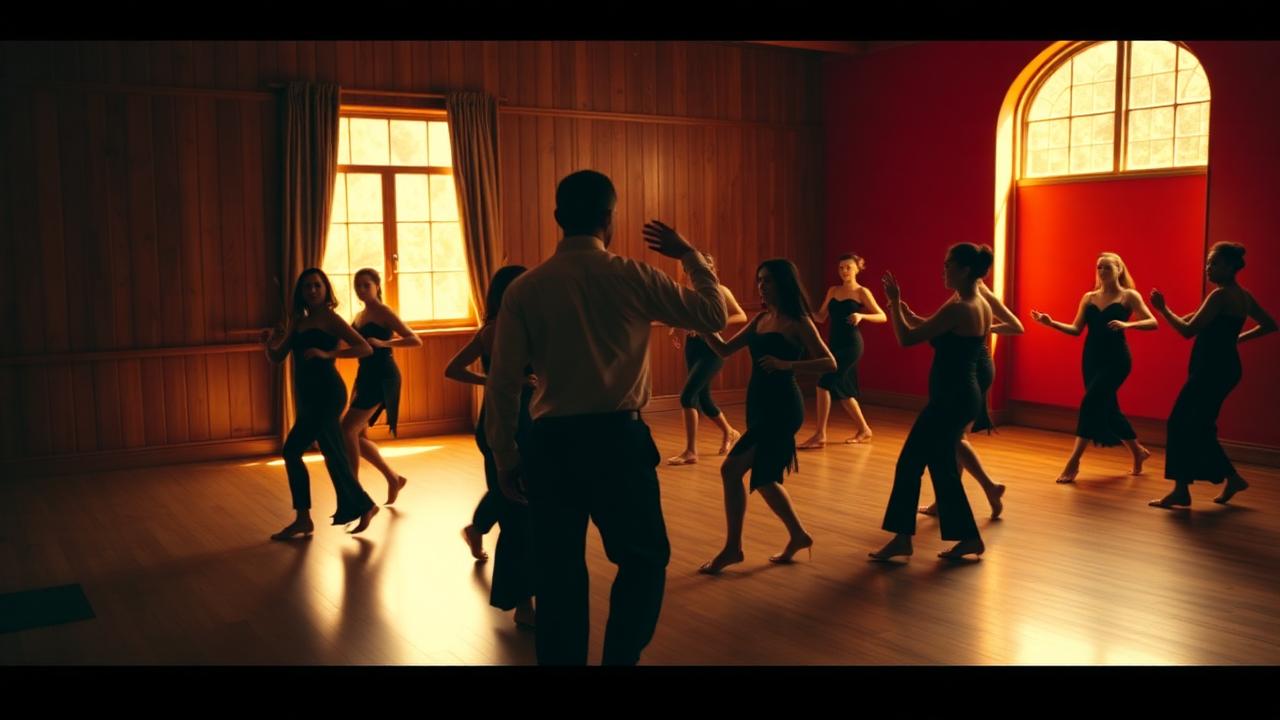
Yes, with one caveat. The partner mechanics are simpler than sensual bachata, so beginners can start dancing socially quickly. But the footwork and musicality take longer to develop than the moderna turn-pattern approach most beginners learn first.
A good path is to start with moderna bachata for a few months to build comfort on the social floor, then add Dominican training to deepen your musicality.
How to learn Dominican bachata
Dominican bachata is best learned in person, where an instructor can correct your footwork in real time and you can drill with a partner. Online training is great for rhythm and musicality work between classes.
FAQ